

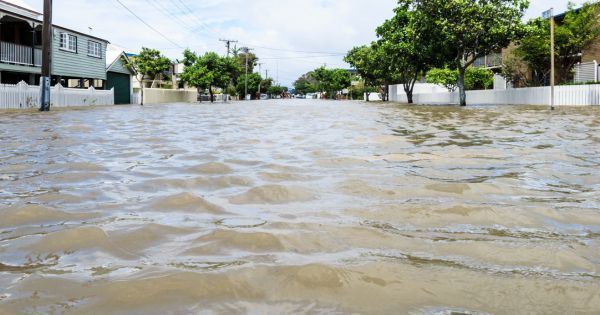
Floods in Naples, Florida are common due to the region’s low-lying geography, heavy rainfall, and hurricane activity. When floodwaters enter homes and businesses, they are often contaminated and pose serious health risks. Understanding why these waters are classified as Category 3 is critical for proper cleanup and restoration. Category 3 water, also known as “black water,” contains harmful bacteria, chemicals, and other pollutants that can cause illness or structural damage if not handled correctly. This guide will explain what Category 3 water is, why Naples floodwaters often fall into this category, the risks involved, and the steps homeowners and businesses should take to restore their property safely.
What Is Category 3 Water?
Water damage is classified into three categories by the Institute of Inspection, Cleaning and Restoration Certification (IICRC):
- Category 1: Clean water from safe sources, such as broken pipes or rainwater from a clean roof.
- Category 2: Gray water containing some contaminants, like dishwasher or washing machine overflow.
- Category 3: Black water that is highly contaminated, including sewage, floodwater, or water containing chemicals.
Category 3 water is the most dangerous. It can carry bacteria, viruses, fungi, and toxic chemicals. Exposure can cause severe health problems, including infections, gastrointestinal issues, and respiratory problems.
Why Flood Water in Naples FL Often Becomes Category 3
Flooding in Naples usually comes from hurricanes, tropical storms, or heavy rainfall. These waters are rarely clean. Here are the main reasons Naples floodwater is often Category 3:
1. Coastal Flooding and Storm Surge
Naples sits along Florida’s Gulf Coast. During hurricanes, storm surges push seawater into low-lying areas. This water is naturally contaminated with salt, debris, and bacteria from the ocean, sewers, and streets, making it unsafe for direct contact.
2. Overflowing Sewage Systems
Heavy rainfall can overwhelm sewage systems. Floodwaters mix with sewage, waste, and chemicals, increasing the contamination level. Even a small amount of sewage in floodwater can classify it as Category 3.
3. Chemical Contamination
Floodwaters often sweep through industrial areas, gas stations, and homes. Chemicals like pesticides, cleaning products, and oil can enter the water, turning it toxic.
4. Debris and Organic Waste
Fallen trees, dead plants, and trash contribute to the contamination. The decomposition of organic matter in water accelerates bacterial growth, increasing health risks.
5. Standing Water and Mold Growth
Even after the water recedes, the remaining standing water can support bacteria, mold, and fungi. Quick removal is critical because mold can start growing within 24–48 hours.
Health Risks Associated With Category 3 Water
Exposure to black water can lead to serious health issues. People may encounter these risks during cleanup or when water remains untreated:
- Bacterial infections: Salmonella, E. coli, and other bacteria can cause severe gastrointestinal illnesses.
- Viral infections: Viruses in sewage can lead to hepatitis A and other diseases.
- Fungal infections: Mold growth from water damage can cause respiratory problems and allergic reactions.
- Skin and eye irritation: Direct contact with contaminated water may cause rashes, burns, or infections.
- Structural hazards: Water can weaken floors, walls, and foundations, increasing the risk of injury during cleanup.
Signs That Flood Water Is Category 3
It is important to identify black water quickly. Some clear signs include:
- Murky or dark color with visible debris.
- Strong, unpleasant odor, often similar to sewage.
- Contact with water triggers skin irritation or illness.
- Floodwater has been standing for over 24 hours.
- Flooding originated from storm surge or sewage overflow.
Immediate Steps to Take After Flooding
Once you recognize that flood water may be Category 3, follow these steps to minimize damage and health risks:
- Ensure personal safety: Avoid entering contaminated water. Turn off electricity and gas if safe to do so.
- Evacuate if necessary: Move to higher ground or a safe location until professionals assess the situation.
- Document the damage: Take photos and videos for insurance claims.
- Call a professional restoration service: Category 3 water requires trained technicians with proper equipment.
- Limit exposure: Keep children, pets, and vulnerable adults away from affected areas.
How Professionals Handle Category 3 Flood Water
Restoring a property after Category 3 flooding requires specialized knowledge. Professional restoration teams follow a structured approach:
Step 1: Assessment
Technicians inspect the property to identify water spread, contamination sources, and structural damage. They also create a plan for safe water removal and cleanup.
Step 2: Water Removal and Containment
High-powered pumps and vacuums remove standing water. Contaminated areas are isolated to prevent cross-contamination to other parts of the home or business.
Step 3: Disinfection and Sanitization
Restoration companies use EPA-approved disinfectants and antimicrobial treatments to remove bacteria, viruses, and fungi. This step is critical for safety and compliance with health standards.
Step 4: Drying and Dehumidification
Industrial-grade dehumidifiers and air movers dry the affected area completely. Proper drying prevents mold and structural decay.
Step 5: Restoration and Repair
Technicians repair damaged walls, floors, and furniture. They ensure the property is restored to a safe and livable condition.
Common Mistakes Homeowners Make After a Flood
Even with simple instructions, some homeowners attempt DIY cleanup, which can be dangerous:
- Ignoring contamination: People may treat Category 3 water as clean water.
- Delayed cleanup: Waiting too long allows mold to grow and structural damage to worsen.
- Using the wrong equipment: Household vacuums and mops are ineffective for black water.
- Not contacting insurance: Documenting damage early ensures coverage for restoration.
- Skipping professional inspection: Hidden damage behind walls or under floors can go unnoticed.
Install Sump Pumps with Battery Backup
A reliable sump pump helps remove water from basements and low-lying areas during heavy rains or flooding. Homes in flood-prone areas should consider a pump with a battery backup to ensure it continues working during power outages. This simple installation can prevent water from accumulating inside your home, reducing the risk of structural damage, mold growth, and costly repairs after storms.
Elevate HVAC Units and Electrical Panels
Raising HVAC systems, water heaters, and electrical panels above potential flood levels can protect your home from severe water damage. Flooding can short-circuit electronics, damage appliances, and create fire hazards. Elevating these systems not only reduces repair costs but also ensures your home remains functional during minor floods. Regular inspections and maintenance further improve safety and efficiency.
Seal Foundation Cracks and Gaps Around Doors/Windows
Water often enters homes through small cracks in foundations or gaps around doors and windows. Sealing these openings with waterproof caulking, concrete fillers, or weatherstripping can significantly reduce flood risk. Regular inspections after storms help identify new weak points. Protecting your home at these vulnerable points keeps water out, prevents structural damage, and minimizes mold growth inside living spaces.
Maintain Gutters and Drainage Systems
Properly functioning gutters and drainage systems direct water away from your home’s foundation. Clear debris such as leaves, twigs, and dirt regularly to prevent clogs that can cause water overflow. Downspouts should lead water at least five feet away from the house. Regular maintenance ensures water flows efficiently, reducing the risk of basement flooding, erosion, and long-term structural issues.
Keep Emergency Kits and Safety Plans Ready for Hurricanes
Preparing an emergency kit and a clear safety plan can save lives during hurricanes or heavy floods. Include essentials like food, water, medications, flashlights, batteries, and important documents in waterproof containers. Make sure all family members know evacuation routes and safe locations. Planning ahead allows for faster, safer response and minimizes stress when floods strike.
How Quickly Mold Can Develop After Flooding
Mold can start growing within 24 to 48 hours after a Category 3 flood. Floodwaters saturate floors, walls, and insulation, creating an ideal environment for mold spores to multiply. Even small amounts of lingering moisture in carpets, baseboards, or drywall can accelerate mold growth. Immediate water extraction and drying are critical to prevent mold from spreading and causing further damage to your property and belongings.
Health Effects of Mold Exposure
Mold exposure can pose serious health risks, especially in homes or businesses affected by Category 3 floodwater. Common symptoms include coughing, sneezing, itchy eyes, skin irritation, and respiratory difficulties. For vulnerable individuals, such as children, elderly adults, or those with pre-existing conditions, mold exposure can trigger severe allergic reactions or exacerbate asthma. Recognizing the risks early is essential for safety and recovery.
Identifying Hidden Mold in Your Property
One of the biggest challenges after flooding is spotting mold that grows out of sight. Mold often develops behind walls, under flooring, inside wall cavities, and within ductwork. Even small leaks or wet spots can harbor mold that spreads silently. Professional restoration teams use moisture meters, thermal imaging cameras, and visual inspections to detect hidden mold before it becomes a larger problem.
Why Timely Mold Remediation Matters
Prompt mold remediation is crucial to prevent long-term damage and health risks. Delays can lead to structural deterioration, warped flooring, and weakened walls. Additionally, untreated mold can reduce indoor air quality and contribute to persistent health issues for occupants. Professional services act quickly to remove mold, disinfect surfaces, and prevent its return, ensuring a safe and healthy living or working environment.
Steps Professionals Take to Prevent Mold Growth
Restoration companies follow a systematic approach to control mold:
- Remove standing water quickly and dry affected areas completely.
- Dispose of heavily contaminated materials, such as carpets and insulation.
- Apply EPA-approved antimicrobial solutions to kill mold spores.
- Monitor humidity levels to prevent mold from returning.
- Inspect for hidden moisture sources, including behind walls and under floors.
Long-Term Prevention of Mold After Flooding
Preventing mold after Category 3 flooding involves more than cleanup. Property owners should maintain proper ventilation, repair leaks, and monitor humidity levels regularly. Installing dehumidifiers, sealing cracks, and using mold-resistant building materials can help. Educating occupants about early signs of moisture or mold also reduces the likelihood of recurrence, keeping homes and businesses safer in Florida’s humid climate.
How Flood Restoration Companies Operate in Naples, FL
In Naples, experienced restoration companies like FP Property Restoration follow a full-service approach.
Rapid Response
Flood water can cause severe damage if not addressed immediately. Restoration companies in Naples, FL prioritize fast action to limit further destruction. When FP Property Restoration receives a call, their team mobilizes quickly, bringing specialized equipment and trained personnel. Early intervention reduces water absorption into walls and floors, prevents mold growth, and ensures that both homes and businesses start the recovery process safely and efficiently.
Certified Professionals
Professional restoration requires technical expertise. Technicians at FP Property Restoration are IICRC-certified in water, mold, and storm restoration. Certification ensures they follow industry standards and use proven methods for cleanup and repair. Their knowledge allows them to identify hidden water damage, treat contaminated areas safely, and restore properties to pre-loss condition. Hiring certified experts guarantees that restoration work is both thorough and reliable.
Insurance Assistance
Working with insurance companies can be complicated for flood damage claims. Naples restoration services assist clients by handling documentation and communication with insurance providers. Their staff helps:
- Collect photos and reports for claims.
- Submit accurate damage assessments.
- Ensure proper coding for water and mold restoration.
- Reduce delays in receiving insurance coverage.
This support allows homeowners and businesses to focus on recovery while professionals manage paperwork and claim approval.
Safety Compliance
Restoration companies follow strict safety guidelines to protect both workers and property owners. FP Property Restoration abides by EPA and Florida state regulations for disinfection, mold remediation, and water treatment. They use approved chemicals, protective equipment, and proper containment procedures to avoid contamination. Following these standards ensures that restored properties are safe to occupy and reduces the risk of health hazards from flood water exposure.
Community Support
Flood restoration in Naples goes beyond individual homes. Professional teams help entire neighborhoods and commercial areas recover efficiently. FP Property Restoration coordinates with local authorities, first responders, and community leaders to scale response efforts. Their goal is to restore functionality to homes, businesses, and public spaces while minimizing disruption. By supporting the wider community, these companies help Naples residents and businesses get back to normal life faster.
Why Choosing a Professional Matters
Restoring Category 3 flood damage is not a simple task. Professionals have the training and equipment to handle hazardous water safely. Attempting cleanup on your own can expose you to harmful bacteria, viruses, and structural hazards. Certified restoration teams can identify hidden risks that most homeowners cannot see, preventing cross-contamination and long-term damage. Working with experts ensures proper water extraction, thorough disinfection, and complete documentation for insurance purposes.
Key Advantages of Professional Restoration:
- Use specialized equipment to safely extract contaminated water.
- Detect hidden contamination behind walls, floors, and ceilings.
- Prevent cross-contamination within the home or business.
- Provide detailed reports and photos for insurance claims.
- Restore property efficiently, reducing long-term structural and health risks.
Tips for Property Owners During Flood Season
Flood season in Naples, FL requires preparation. Property owners can reduce risks and damage by staying alert and organized. Monitoring weather updates, understanding evacuation routes, and keeping emergency contacts ready can save lives. Protecting important documents in waterproof containers and preparing essential supplies ensures faster recovery after a storm. Post-storm inspections help detect hidden water damage and prevent mold growth before it becomes a serious problem.
Practical Tips for Property Owners:
- Stay updated with local weather alerts and warnings.
- Know nearby evacuation routes and emergency shelters.
- Keep contacts of trusted restoration companies handy.
- Store important documents in waterproof containers.
- Inspect your property immediately for hidden water damage after storms.
The Costs of Ignoring Category 3 Water
Ignoring Category 3 floodwater can lead to severe and costly consequences. Contaminated water can harm your health, weaken your property, and create conditions for mold growth. Delayed action can increase repair costs, destroy personal belongings, and complicate insurance claims. Property owners who fail to address contaminated water promptly may face permanent damage that is expensive to repair, as well as long-term health hazards for everyone in the household.
Consequences of Ignoring Floodwater:
- Severe health risks from bacteria, viruses, and mold exposure.
- Structural weakening and potential foundation issues.
- Extensive mold growth requiring professional remediation.
- Loss or damage to furniture, electronics, and personal items.
- Complicated or denied insurance claims due to delayed reporting.
How FP Property Restoration Can Help
FP Property Restoration has extensive experience handling Category 3 water in Naples and across Florida. Their certified team responds quickly to flood emergencies, ensuring safety and minimizing damage. They provide complete water extraction, thorough disinfection, and expert mold remediation. FP Property Restoration works with homeowners, businesses, and insurance providers to restore properties efficiently and safely. Their team follows proven protocols to protect your health and property while restoring your home or business to pre-flood condition. Choosing FP Property Restoration ensures reliable, professional support when disaster strikes.
Why Choose FP Property Restoration:
- Responds quickly to floods and emergencies to limit damage effectively.
- Uses specialized equipment to safely remove contaminated Category 3 water.
- Identifies hidden risks and prevents cross-contamination in affected areas.
- Provides detailed documentation for insurance claims to simplify recovery.
- Restores homes and businesses safely, protecting property and long-term health.
Conclusion
Floodwaters in Naples, FL are often classified as Category 3 due to contamination from sewage, chemicals, and debris. Exposure to such water poses serious health risks and can cause structural damage if not addressed immediately. Homeowners and businesses should prioritize safety, avoid direct contact, and contact professionals to restore their properties properly. For reliable restoration services that handle Category 3 water damage, mold remediation, and full disaster recovery, trust FP Property Restoration. Their experienced team in Naples, FL, works quickly to get your home or business back to life safely, helping communities recover without interruption.