

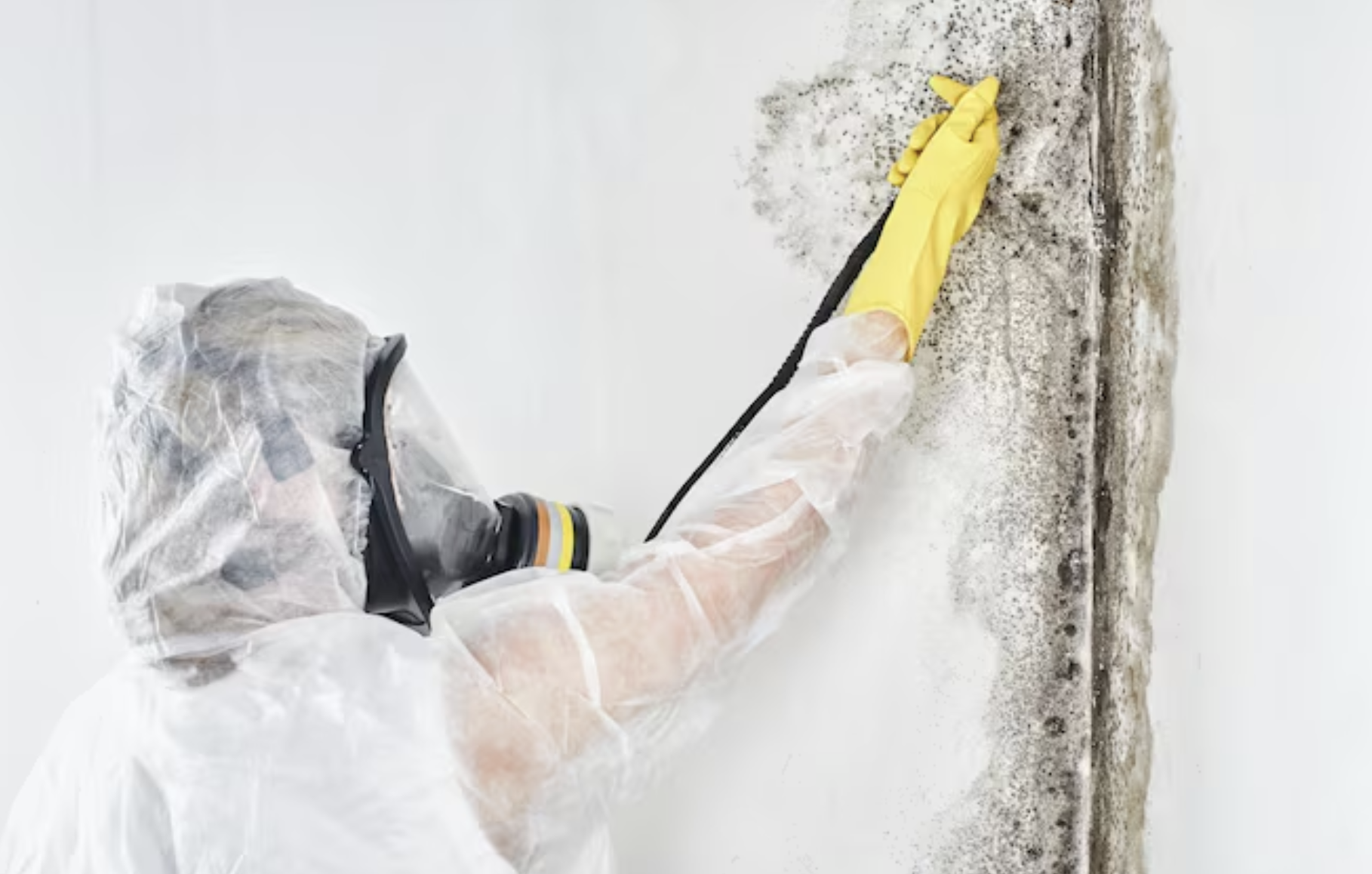
Mold can develop quietly behind walls, under flooring, inside crawl spaces, and in other hidden areas of a home long before homeowners notice a problem. Unfortunately, by the time mold becomes visible or starts causing noticeable odors, it may already be affecting indoor air quality and creating health concerns for everyone in the household. A professional home mold inspection is one of the most effective ways to identify mold issues early and protect both your property and your family’s health.
In this guide, we’ll discuss the common signs of mold, the different types of mold found in homes, the health risks associated with exposure, the mold testing process, and practical ways to prevent mold growth. We’ll also explain how professional mold detection and mold remediation services can help keep your home safe and healthy.
Common Signs of Mold
Mold problems are not always obvious. In many cases, mold grows in hidden areas such as attics, crawl spaces, basements, and behind walls. Recognizing the warning signs early can help homeowners address the issue before it becomes more serious.
Musty Odors
One of the earliest signs of mold is a persistent musty smell. Mold releases microbial volatile organic compounds (MVOCs) as it grows, creating a damp, earthy odor that may linger throughout the home. Even if mold is not visible, a strong musty smell may indicate hidden growth behind walls or beneath flooring.
Visible Mold
Visible mold growth can appear in a variety of colors, including black, green, white, gray, or brown. It may look fuzzy, slimy, or spotty depending on the species and the surface it is growing on. Mold commonly develops around windows, ceilings, bathrooms, basements, and areas affected by leaks or condensation.
Water Damage
Water stains, peeling paint, warped drywall, or bubbling wallpaper may signal moisture intrusion and potential mold growth. Homes that have experienced flooding or plumbing leaks are especially vulnerable. A professional house mold inspection can help determine whether hidden mold exists behind damaged materials.
Increased Humidity
High humidity levels create the perfect environment for mold growth. Excess moisture in the air can develop from poor ventilation, HVAC issues, or damp basements and crawl spaces. If your moisture house conditions remain elevated for long periods, mold growth becomes much more likely.
Types of Mold
There are thousands of mold species, but several types are commonly found in residential properties. Each type can affect health and property differently.
Alternaria
Alternaria is commonly found in damp areas such as showers, sinks, and around windows. It spreads quickly and can trigger allergic reactions and asthma symptoms in sensitive individuals. Prolonged exposure may worsen respiratory irritation and indoor air quality problems.
Aspergillus
Aspergillus is one of the most common indoor molds and is frequently found in HVAC systems, insulation, and dust. Some species produce mycotoxins that may lead to respiratory infections and allergic reactions. Individuals with weakened immune systems are particularly vulnerable to Aspergillus exposure.
Cladosporium
Cladosporium can grow on fabrics, wood, carpets, and HVAC ducts in both warm and cool environments. Exposure may cause skin irritation, sneezing, coughing, and eye irritation. While it is not typically considered highly toxic, large infestations can still negatively impact indoor air quality.
Penicillium
Penicillium spreads rapidly in water-damaged homes and is commonly found on wallpaper, carpeting, and insulation. It is known for producing airborne spores that may trigger allergies and sinus irritation. Some species can also contribute to chronic respiratory issues.
Stachybotrys
Often referred to as black mold, Stachybotrys thrives in areas with long-term moisture problems. It can produce toxic compounds called mycotoxins that may contribute to headaches, fatigue, respiratory symptoms, and other health concerns. This mold often grows on drywall, wood, and ceiling tiles exposed to water damage.
Fusarium
Fusarium commonly develops in water-damaged materials and can spread quickly in damp conditions. It may cause skin infections, respiratory irritation, and severe health complications for immunocompromised individuals. Fusarium can also damage building materials and furnishings.
Trichoderma
Trichoderma grows in areas with excessive moisture and often appears on wet carpets, wallpaper, and wood. Some species produce mycotoxins and may contribute to allergic reactions and respiratory discomfort. In severe cases, it can damage structural materials within the home.
Health Risks Associated with Mold Exposure
Exposure to mold can affect people differently depending on the type of mold, duration of exposure, and individual sensitivity. Children, older adults, and individuals with asthma or weakened immune systems are often at greater risk.
Allergic Reactions
Mold is a common allergen that can trigger symptoms such as sneezing, a runny nose, congestion, itchy eyes, and throat irritation. Mold types like Cladosporium and Alternaria are especially known for causing allergic reactions. Airborne spores can spread throughout the home, making symptoms persistent if the mold problem is not addressed.
Respiratory Problems
Exposure to mold may worsen asthma and contribute to coughing, wheezing, chest tightness, and shortness of breath. Aspergillus and Penicillium are commonly associated with respiratory irritation. Long-term exposure may increase sensitivity and make respiratory symptoms more severe over time.
Headaches and Fatigue
Some individuals exposed to mold report chronic headaches, fatigue, and difficulty concentrating. Toxic mold species like Stachybotrys may release compounds that contribute to these symptoms. Poor indoor air quality can also impact sleep quality and overall well-being.
Skin Irritation
Direct contact with mold or mold-contaminated materials may cause skin irritation, itching, or rashes. Cladosporium and Alternaria are common triggers for skin-related reactions. Sensitive individuals may experience worsening symptoms with repeated exposure.
Fungal Infections
People with compromised immune systems face a greater risk of fungal infections caused by mold exposure. Aspergillus, in particular, may lead to serious lung infections in vulnerable individuals. Professional mold detection can help identify harmful mold growth before health issues become severe.
Neurological Symptoms
Some studies suggest a possible link between mold exposure and neurological symptoms such as memory problems, mood changes, dizziness, and difficulty focusing. Mycotoxins produced by certain molds may contribute to these effects in susceptible individuals.
Immunological Reactions
Mold exposure can trigger immune system responses ranging from mild irritation to more severe respiratory distress. In some cases, exposure may lead to fever-like symptoms or chronic inflammation. Individuals with allergies or autoimmune conditions may be more sensitive to mold exposure.
Toxicity From Mycotoxins
Certain molds produce toxic substances known as mycotoxins. Stachybotrys and Fusarium are among the molds capable of producing these toxins. Prolonged exposure may contribute to respiratory irritation, fatigue, headaches, and other health complications.
Sudden Infant Death Syndrome (SIDS)
Research has explored the relationship between indoor air quality and infant health, including potential links between mold exposure and increased SIDS risk factors. Because infants are especially sensitive to airborne contaminants, maintaining a clean, dry indoor environment is essential.
The Mold Testing Process
Professional mold testing involves a detailed evaluation of the property to identify mold growth, moisture sources, and air quality concerns. A qualified mold inspector begins by performing a visual inspection of the home, paying close attention to areas prone to moisture buildup, such as bathrooms, basements, attics, and crawl spaces.
The inspector may use moisture meters, thermal imaging cameras, and humidity readings to locate hidden moisture behind walls or beneath flooring. Since mold often develops in concealed spaces, advanced tools can help uncover problems that are not visible to the naked eye.
Air sampling is commonly used to measure airborne mold spore levels inside the home. Surface sampling may also be performed by swabbing or tape-lifting visible mold growth. These samples are then sent to a laboratory for analysis to determine the type and concentration of mold present.
Testing results help professionals develop an appropriate remediation plan tailored to the severity of the infestation. A proper plan identifies the moisture source, outlines containment procedures, and determines the safest cleanup methods. Homeowners frequently ask whether they can test for mold themselves using store-bought kits, but professional testing typically provides more accurate and reliable results.
The overall mold inspection cost depends on factors such as property size, the number of samples collected, and the extent of suspected contamination. While costs vary, professional inspections are often a worthwhile investment because they help prevent larger structural damage and more expensive repairs later.
Preventing Mold Growth
Preventing mold growth starts with controlling moisture throughout the home. Since mold requires moisture to thrive, reducing humidity and quickly addressing water issues are essential steps in maintaining a healthy indoor environment.
Homeowners should repair plumbing leaks, roof damage, and foundation cracks as soon as possible. Wet materials should be dried within 24 to 48 hours after water exposure to minimize mold development. Proper drainage around the home can also help prevent water intrusion.
Maintaining indoor humidity levels below 60% is another important preventive measure. Dehumidifiers can help control excess moisture in basements, crawl spaces, and other damp areas. Proper ventilation in kitchens, bathrooms, and laundry rooms also reduces humidity buildup.
Regular HVAC maintenance helps improve indoor air circulation and reduce moisture accumulation. Air filters should be replaced consistently, and ducts should remain clean and dry to minimize airborne mold spores.
Scheduling periodic mold inspection services can help identify early warning signs before mold spreads extensively. If mold is discovered, prompt remediation and professional mold remediation services can safely remove contamination and prevent future growth.
Protect Your Home With FP Property Restoration
A professional home mold inspection is one of the most important steps homeowners can take to protect their families and preserve the condition of their property. Mold can spread quickly in damp environments, impacting indoor air quality, damaging building materials, and contributing to a wide range of health concerns. Early detection through professional testing allows homeowners to address mold problems before they become more costly and hazardous.
Understanding the signs of mold growth, the different types of mold, and the risks associated with exposure can help you take proactive steps to maintain a healthier living environment. From identifying hidden moisture issues to developing a customized remediation plan, professional services play a critical role in keeping homes safe.
FP Property Restoration provides reliable mold inspection, testing, and mold remediation services designed to identify problems at the source and restore healthy indoor conditions. Whether you suspect hidden mold after water damage or simply want peace of mind about your home’s air quality, our experienced team is here to help.
Contact FP Property Restoration today to schedule a professional inspection and protect your home from the dangers of mold.