

Water damage is a serious problem for homeowners and operators in Naples, Florida. Hurricanes, heavy rains and piping leaks can cause flooding of houses, weakening of structures, and damaging of personal belongings. Rapid response and proper use of equipment can save thousands of dollars in repair costs and prevent health damage from mold and bacteria. Professional water damage recovery work does not just wipe out water. A systematic approach is required using equipment such as water transfers, blowers, dehumidifiers and moisture meters. This article explains the functions of each tool and why professional support is essential.
Why Using the Right Water Damage Equipment Matters
Water spreads rapidly, especially in houses and business centers with multiple stories and hidden cavities. Using professional equipment has the following advantages:
- Fast Water Removal: The extractor quickly removes large amounts of water to prevent secondary damage.
- Prevent Mold Growth: dehumidifiers and blowers reduce humidity and prevent mold generation.
- Protect Structural Integrity: Prevents warping, expansion, and deterioration of floors, walls, and ceilings through proper drying.
- Health Safety: Reduce bacteria and mold that cause health damage by removing residual water and moisture.
- Efficiency and Accuracy: Experts know the right equipment and technology to reduce the risk of mistakes and rework.
Key Water Damage Equipment for Naples Homes
In order to restore houses after water damage, appropriate equipment is required to remove water, dry surfaces, and prevent mold. In Naples, the use of specialized equipment such as water mover, air mover and dehumidifier ensures efficient, safe and thorough recovery.
1. Water Movers (Extractors)
Water extractors play an important role in the early stages of water damage recovery. These machines quickly and efficiently remove residual water from floors, carpets and other surfaces. Rapid drainage can limit the depth of water penetration into walls, flooring and structural materials. Experts use different types of extractors depending on the amount of water and the area damaged. By removing moisture as early as possible, we will reduce drying time, prevent mold generation, and reduce the risk of long-term structural damage to the property.
Types of Water Movers:
- Portable Extractors: Ideal for small spaces such as bathrooms, closets and kitchens.
- Truck-Mounted Extractors: Used for quick drainage in large buildings and commercial spaces.
- Submersible Pumps: Ideal for deep water, such as basements and flooded areas of several inches or more.
Effect: Drainage equipment removes water before it penetrates the floor or wall. This prevents further damage and reduces drying time.
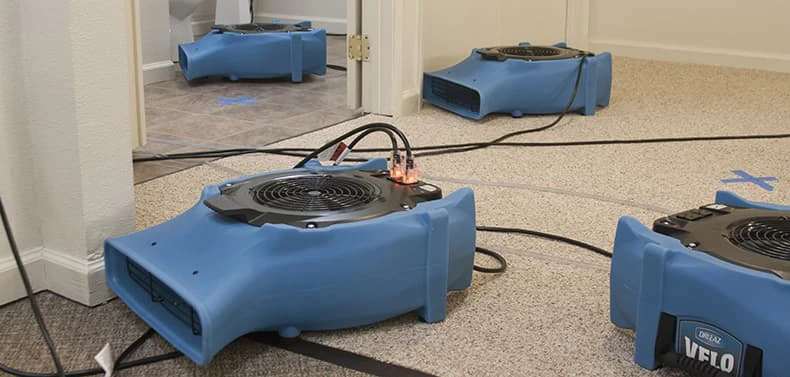
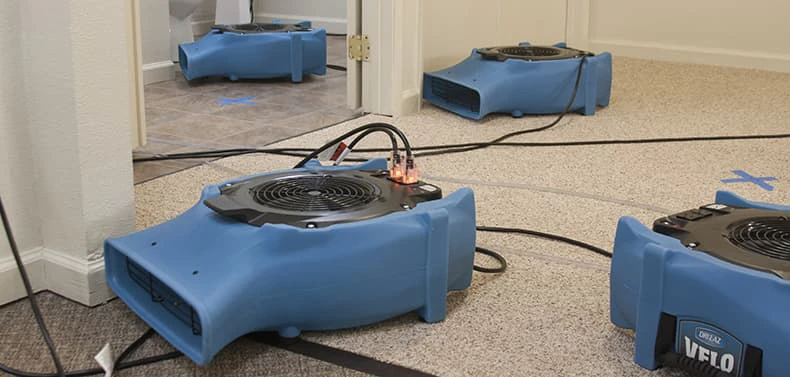
2. Air Movers and Fans
After drainage, drying the property is an important step in the recovery process. Air movers and fans send powerful airflow to wet floors, walls and furniture to promote evaporation. This continuous circulation of air causes moisture to escape from materials such as carpets, gypsum boards and wood. Without proper airflow, the wet part will remain wet for several days, increasing the risk of mold development. Commercial air movers are much faster than home fans and cover a wide range evenly. The recovery team will install the fan at a specific angle to completely dry the surface and reduce the likelihood of long-term water damage.
Types of Air Movers:
- Axial Fans: Move large spaces quickly with large amounts of air.
- Centrifugal Fans: Provide powerful, focused airflow to carpets and furniture.
- Desiccant Fans: Absorb moisture in the air in a very humid environment.
Benefits: Proper airflow prevents mold generation and ensures uniform drying of floors, walls and furniture.
3. Dehumidifiers
Due to the high humidity in Florida, dehumidifiers are essential for water damage recovery. Moisture is often left in the air and inside building materials after drainage, and the dehumidifier removes excess moisture in the air and promotes complete drying of walls, floors and furniture. This reduces the risk of mold generation, wood expansion and residual odor. Housing in Naples is also effective for indoor humidity management during and after storms.
Types of Dehumidifiers:
- Refrigerant Dehumidifiers: Ideal for medium indoor humidity levels.
- Desiccant Dehumidifiers: effective for high humidity and low temperature environments.
Role in Restoration: Dehumidifiers maintain safe humidity levels, completely dry wood, gypsum boards and furniture, and prevent long-term damage.
4. Moisture Meters and Sensors
Water spectrometers and sensors play an important role in water damage recovery. These tools help experts discover moisture in walls, floors, ceilings, and other building materials. Even if the surface looks dry, moisture remains trapped and can cause mold and structural damage at a later date. The moisture meter measures the remaining moisture content, and the sensor identifies where additional drying is required. The recovery team uses this information to properly place blowers and dehumidifiers.
Types of Moisture Meters:
- Pin Meters: Measure moisture inside building materials such as wood and gypsum boards
- Non-Pin Meters: Detect moisture directly under the surface and surface without damage
Why They Matter: If the hidden moisture is left alone, it will cause mold development. The moisture meter ensures that all areas are dry.
5. Specialized Water Damage Equipment
Special water recovery equipment is used for hidden or seriously damaged areas that are difficult to reach with standard tools. This includes drying systems in areas where moisture is easy to stay, such as inside walls, under floors, and narrow spaces. Experts also use dedicated tools to safely lift wet flooring and treatment equipment for contaminated water. These devices allow recovery teams to completely remove moisture, prevent mold generation, and reduce long-term structural damage risks, especially in severe water hazards.
- Injectidry Systems: Pump air into the hidden cavity on the back of the wall and dry it.
- Floor Lifting Equipment: Lifting wet flooring safely without damage.
- Sewage Pumps: Safely treat contaminated water.
Experts evaluate the damage situation and select tools suitable for each situation.
Step-by-Step Water Damage Restoration Process
The professional recovery team will follow systematic steps to ensure full recovery. Each stage focuses on damage reduction, mold prevention and efficient property recovery.
Step 1: Assessment
During the evaluation phase, engineers will check the property in detail to identify all water sources, including leaks, flooding and hidden moisture. Examine the floor, wall, ceiling, and piping to understand the water diffusion path and damage range. Evaluate structural members, furniture, and electrical systems to identify areas that need relief and removal. Moisture meters are used to detect hidden moisture inside walls, floors, and ceilings, preventing overlooking of wet areas, and preventing future mold generation and structural problems.
Step 2: Mitigation
At the mitigation treatment stage, experts use large capacity pumps and drainage devices to remove residual water. This rapid drainage reduces secondary damage and prepares for drying. Safe removal of flooded carpets, underlay materials, gypsum boards and other damp building materials that cannot be restored to prevent mold and pollution. In order to protect uninhabited areas from water, dust, and debris, we will install waterproofing sheets and isolation measures to ensure that restoration work proceeds safely and orderly throughout the building.
Step 3: Drying and Dehumidification
After removing water, the team uses air movers and fans to circulate air throughout the wet surface to promote evaporation. The dehumidifier removes excess moisture in the air, prevents mold generation and reduces the level of humidity in the property. Engineers carefully monitor humidity levels and airflow to ensure that walls, floors and ceilings are completely dry and no hidden wet parts remain that can cause long-term problems. This careful monitoring ensures that the property is completely dry before proceeding with cleaning and recovery.
Step 4: Cleaning and Restoration
Cleaning and disinfecting all areas affected by the expert after drying, removing bacteria, mold spores and debris left after water damage. Repairing structures, repainting walls and restoring surfaces to pre-damage conditions. Flooring, furniture and personal items will be returned to their original position as much as possible, inspect all spaces and ensure that the property is safe, clean and fully functional. This final process completes the recovery process, and the housing and business facilities return to their normal usable status, while at the same time preventing future flood-related problems.
Common Water Damage Situations in Naples, FL
Water pollution in Naples, Florida is frequently caused by weather conditions, aging plumbing and household equipment failure. Understanding the most common water pollution situation helps homeowners respond quickly, mitigate damage, and understand when professional recovery services are needed to protect property.
1. Hurricanes and Storm Flooding
In Naples, storms and hurricanes are frequent, resulting in heavy rains and strong winds. Flooding enters the house from doors, windows, damaged roofs, instantly flooding the floor and walls. Residual water weakens building materials and creates safety risks if not removed quickly. Professional drying and drying work controls moisture, reduces structural damage and prevents mold breeding. Rapid response after storm protection protects housing and reduces long-term repair costs due to prolonged flooding.
2. Plumbing Leaks
Piping leakage is minor in the early stages, but if left alone, it will cause serious damage. Damaged piping, leaking equipment, and faulty water heaters release large amounts of water into the living space. This water floods flooring, walls and cabinets in minutes. Rapid drainage and proper drying to prevent timber expansion, wall damage and mold generation. Specialized equipment promotes drying of hidden areas where invisible moisture remains and reduces the risk of future structural and health problems.
3. Appliance Failures
Home appliances such as washing machines, dishwashers, and air conditioning systems may fail due to hose wear and mechanical failure. Water leaked from these products spreads throughout the floor and penetrates under cabinets and walls. If you do not deal with it quickly, this moisture will damage the building material and cause mold generation. The recovery team uses water extractors, blowers and dehumidifiers to eliminate water, dry the affected areas and prevent long-term damage from trapped moisture.
4. Roof Leaks
Leakage of roofs often occurs after heavy rain or storms, or due to aging of roofing materials. Water penetrates from damaged roof boards and flows into walls, ceilings and insulation materials. These leaks may not be noticed until stains or odors appear. The moisture trapped behind the wall weakens the structure and encourages mold breeding. Humidity gauges, blowers, and dehumidifiers can be used to locate hidden moisture, dry affected areas, and prevent further damage and expensive repairs.
Mold Prevention After Water Damage
In the wet climate of Florida, mold development after water damage is a serious risk. If moisture remains in the building, mold breeding may begin within 24 to 48 hours. Rapid drying of affected areas is essential to prevent the spread of mold. Blowers and dehumidifiers are effective in reducing humidity levels in the air and in building materials. Experts also inspect hidden spaces such as walls and under floors to ensure that no wet areas remain. Rapid response can protect indoor air quality and prevent long-term damage to buildings.
Prevention Tips:
- Use a dehumidifier to maintain safe humidity levels
- Wet building materials completely dry
- Remove wet carpets, underlays and gypsum boards if necessary
- Ensure proper air flow with fans and ventilators
Professional recovery services inspect not only area drying but also mold generation and process affected areas.
Safety Tips During Water Damage Restoration
Water damage is associated with health and safety risks. Please comply with the following precautions:
- Turn Off Electricity: Preventing electric shock in wet areas.
- Use Protective Gear: Protect yourself from contaminants with gloves, boots and masks.
- Avoid Standing Water: Leave deep or contaminated waters.
- Do Not Use Household Fans Alone: commercial air movers are powerful and safe
Insurance and Water Damage Restoration
Insurance after water damage tends to be complicated. Professional recovery providers simplify processes and reduce time and stress by recording damage, creating detailed reports, and supporting repairs and acquiring appropriate compensation for equipment.
Documenting Damage for Insurance Claims
The recovery team immediately records the extent of the damage. Before starting work, we will identify affected areas, measure humidity, and take photos. This ensures accurate records for insurance claims.
Detailed Reports and Photos
The photos and detailed reports before and after the restoration specify all the repairs and equipment used. These records help insurance assessors understand the full scope of the damage and the necessary recovery procedures.
Assistance with Coverage
The experienced team will contact the insurance company directly. We will explain the need for repair and equipment costs and help property owners ensure appropriate compensation efficiently.
Faster Claim Processing
Reduce delay by accurate measurement and complete recording with specialized equipment. Quickly proceed with insurance claims and realize early start of recovery work.
Maintenance Tips to Prevent Future Water Damage
By taking preventive measures after recovery, future water risk can be mitigated. Periodic inspection, proper drainage and proper use of equipment protect the property from damp problems.
Inspect Roofs and Gutters
Check the roof, rain and drain regularly. Remove waste, repair damage, and allow water to flow away from the building.
Check Plumbing
Please check for leakage or corrosion in piping, faucets and water heaters. Prevents expensive water damage after early detection.
Maintain Proper Drainage
Ensure that the water is drained away from the foundation. Adjust the landscaping slope properly to see where the water may accumulate.
Install Sump Pumps or Backflow Valves
Wastewater pumps and backflow prevention valves are effective for properties that are susceptible to flood damage. These devices control excess water and prevent flooding of basements and lower floors.
Run Dehumidifiers During Humid Seasons
Keep indoor humidity low with dehumidifier. This prevents mold generation and protects walls, furniture and flooring from damaging moisture.
Why Hire a Professional Restoration Company in Naples, FL
Water damage recovery requires technology, experience and appropriate tools. Experts handle emergencies safely and thoroughly, and work with insurance companies to resolve them promptly while protecting customer property and health.
Emergency Response
24 hours a day, 365 days a year. Early response minimizes structural damage and prevents mold generation.
Full-Service Restoration
Experts manage the entire recovery process from draining to structural repair. Ensure consistent and high-quality results.
Trained Technicians
Certified specialists for water, mold and fire damage. We adhere to appropriate procedures and safety protocols based on our extensive experience.
Proper Equipment
Drying the property efficiently with industrial water transfers, blowers and dehumidifiers. Specialized tools also reach hidden moisture areas that are not reached by general household equipment.
Insurance Support
The recovery company works directly with the insurance assessor. Provide documents and reports, simplify the approval of insurance claims and accelerate the recovery process.
Reliable Water Damage Help You Can Trust in Naples, FL
FP Property Restoration helps homeowners and business owners recover quickly after flood. A team with more than 10 years of hands-on experience can respond quickly to everything from small leaks to massive hurricane-related floods. Comply with a clear three-step process of assessment, damage reduction and complete recovery. We use specialized water extractors, blowers and dehumidifiers to completely dry the affected areas and reduce mold and structural risks. The owner's recovery process reduces stress and progresses efficiently in order to closely cooperate with insurance companies and provide appropriate documentation.
Why Choose FP Property Restoration
- Experienced team with more than 10 years of water recovery experience across Florida
- 24/7 emergency response, treatment before water damage becomes severe
- Specialized equipment to thoroughly dry properties and reduce mold risk
- Comprehensive recovery services from drainage to repair and cleaning.
- Simplify billing procedures with insurance support with clear documentation.
Conclusion
If water damage is not dealt with quickly, it will directly lead to serious problems such as structural damage, mold generation, and health damage. By using specialized equipment such as water mover, air dryer and dehumidifier, it is possible to dry the property safely and completely. Homeowners and business owners in Naples need to respond quickly to minimize damage and protect their assets. FP Property Restoration provides rapid, reliable and comprehensive water recovery services in Naples, Florida. Experienced teams respond to emergencies of all sizes and efficiently restore homes and offices. We also work closely with insurance companies to help customers recover their daily lives with confidence and confidence.