


Storms are a part of life in Naples, Florida. Heavy rain, tropical storms, and hurricanes often leave homes and businesses with water damage. Many property owners focus on visible damage like broken windows or roof leaks. They often delay proper drying because the damage looks minor at first. This delay creates the perfect condition for mold growth. Mold does not wait. It starts growing within 24 to 48 hours when moisture stays trapped inside walls, floors, and ceilings. This guide explains how storm damage leads to mold growth in Naples FL, why delayed drying makes things worse, what signs to watch for, and how professional restoration helps protect your property.
Understanding Storm Damage in Naples FL
Naples sits along Florida’s Gulf Coast. The area faces hurricanes, tropical storms, and heavy rainstorms every year. These weather events often cause:
- Roof leaks
- Flooded rooms
- Soaked drywall
- Wet insulation
- Standing water
- Damaged foundations
Even small storms can force water into areas you cannot see. Water often enters through cracks, vents, windows, and roof edges. Once water gets inside, it spreads quickly.
Many homeowners try to clean up surface water on their own. They use towels, fans, or shop vacuums. These steps help but do not remove moisture trapped deep inside building materials.
Why Drying Speed Matters After Storm Damage
Drying speed plays a major role in preventing mold growth. When water stays in place, mold spores activate and start growing.
The 24-48 Hour Rule
Mold can start growing within one to two days after water exposure. In Naples, warm temperatures and humidity shorten this window even more.
If you delay drying by even one day, you increase the risk of:
- Mold colonies forming behind walls
- Mold spreading through air vents
- Structural materials weakening
- Strong odors developing
Quick drying removes moisture before mold has time to grow.
How Delayed Drying Leads to Mold Growth
Delayed drying allows moisture to sit in hidden areas. Mold feeds on moisture and organic materials found in homes.
Hidden Moisture Traps
Storm water often soaks into places you cannot see, such as:
- Behind drywall
- Under flooring
- Inside insulation
- Beneath cabinets
- Within ceiling cavities
These areas stay wet long after the surface looks dry. Mold grows quietly until the damage becomes visible.
Florida’s Humidity Problem
Naples stays humid most of the year. High humidity keeps materials damp even after standing water gets removed. Air drying alone rarely works in these conditions.
Without professional drying tools, moisture stays trapped and mold spreads faster.
Types of Mold Common After Storm Damage
After storms in Naples, excess moisture creates ideal conditions for several types of mold. Each type grows in different areas of a property, spreads quickly, and can cause health issues and structural damage when not treated in time.
Black Mold
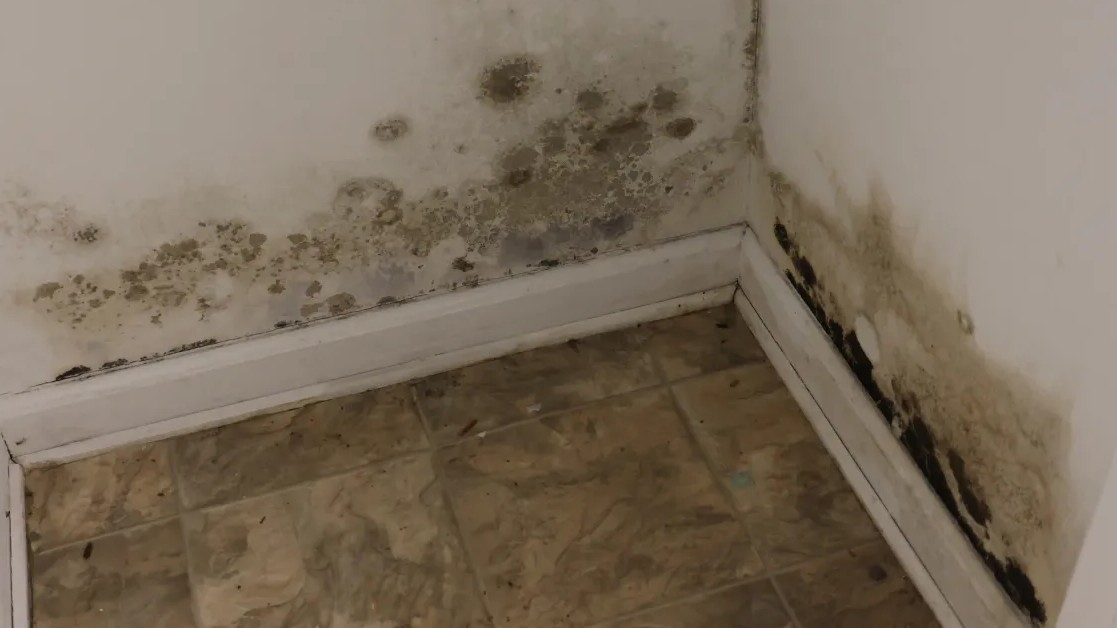
Black mold commonly forms after storm damage when drywall, wood framing, or insulation stays wet for too long. It spreads quickly in warm and humid Naples conditions. This mold releases spores into the air that may trigger coughing, breathing trouble, headaches, and strong musty odors if not removed promptly.
Green and White Mold
Green and white mold often appear on walls, ceilings, carpets, and furniture after water damage. These molds grow fast when moisture remains trapped. They stain surfaces, weaken materials, and spread to nearby areas, making cleanup harder when drying and treatment are delayed.
Hidden Mold
Hidden mold develops inside walls, beneath flooring, and above ceilings where moisture stays unnoticed. It often goes undetected for weeks after a storm. By the time signs appear, this mold may have caused serious structural damage and poor indoor air quality.
Health Risks of Mold Growth After Storms
Mold affects more than just buildings. It can impact the health of everyone inside the property.
Common Health Issues
Mold exposure may cause:
- Coughing
- Sneezing
- Eye irritation
- Skin rashes
- Headaches
- Breathing trouble
People with asthma, allergies, or weak immune systems face higher risks.
Long-Term Exposure Risks
Long-term mold exposure can cause lasting breathing problems, frequent coughing, and worsening asthma or allergies. Over time, mold spores in the air may weaken the immune system. Children, older adults, and people with existing health conditions often face more serious and long-lasting health effects.
Structural Damage Caused by Mold
Mold damage goes far beyond stains or odors. When moisture remains, mold continues to grow and feeds on common building materials, weakening the structure over time and increasing the risk of costly repairs and safety concerns.
Damage to Building Materials
Mold weakens:
- Drywall
- Wood framing
- Flooring
- Insulation
Over time, this damage can make structures unsafe.
Increased Repair Costs
When mold spreads through a property, repair costs increase quickly. What starts as simple drying can turn into major mold removal and rebuilding work. Early drying and cleanup limit damage to walls, floors, and insulation, helping property owners avoid costly repairs and long restoration timelines.
Why DIY Drying Often Fails
Many property owners try to handle drying on their own. While quick action helps, DIY methods often fall short.
Limits of Household Fans
Household fans only move air across surfaces and do not pull moisture out of walls, floors, or insulation. In humid Naples conditions, fans can actually push damp air deeper into building materials, allowing moisture to remain trapped and creating ideal conditions for mold growth.
Lack of Moisture Testing
Without proper moisture testing tools, it is impossible to know if materials are truly dry. Walls, subfloors, and insulation may feel dry to the touch while moisture remains inside. This hidden moisture allows mold to grow unnoticed long after cleanup seems complete.
Risk of Spreading Mold
Improper drying methods can disturb mold spores and spread them throughout the property. Air movement without containment may carry spores into clean areas, increasing contamination. This makes mold removal more difficult and raises health risks for occupants inside the building.
Professional Drying Methods After Storm Damage
After storm damage, professional drying plays a key role in stopping mold before it spreads. Trained restoration teams use proper equipment and tested procedures to remove hidden moisture, control humidity, and dry affected areas thoroughly to protect the property and indoor air quality.
Water Extraction
Crews remove standing water using powerful pumps and vacuums.
Industrial Drying Equipment
Professionals use:
- High-powered air movers
- Commercial dehumidifiers
- Moisture detection tools
These tools remove moisture from deep inside materials.
Controlled Drying Plans
Technicians follow controlled drying plans to ensure every affected area dries properly after storm damage. They check moisture levels daily using professional meters and sensors. Based on these readings, they adjust air movers and dehumidifiers to target wet areas. This process continues until walls, floors, and structural materials reach safe moisture levels, reducing the risk of mold growth and hidden damage.
Signs Mold May Be Growing After a Storm
After a storm, mold can begin growing before you notice visible damage. Paying attention to early warning signs helps catch problems sooner. Quick action at the first sign of mold can protect indoor air quality and prevent costly repairs later.
Visible Signs
- Dark spots on walls or ceilings
- White or green patches
- Peeling paint
Smell
A persistent musty or earthy odor is often one of the first signs of hidden mold. Even if no visible mold is present, this smell indicates that mold may be growing behind walls, under floors, or above ceilings. Ignoring these odors can allow the mold to spread further, increasing structural damage and health risks. Professional inspection can locate the source and ensure proper remediation before the problem worsens.
Health Symptoms
Mold exposure can cause noticeable health symptoms, especially when people feel unwell indoors but improve outside. Common reactions include coughing, sneezing, headaches, eye irritation, and breathing difficulties. Individuals with allergies, asthma, or weakened immune systems are particularly vulnerable. These symptoms may indicate hidden mold growth in walls, ceilings, or ventilation systems, which requires professional inspection and remediation to protect both health and property.
What to Do Immediately After Storm Damage
Acting quickly after storm damage is essential to prevent mold growth and further property loss. Immediate steps, including ensuring safety, documenting damage, and contacting professionals, can protect your home or business and reduce long-term repair costs.
Step 1: Ensure Safety
After storm damage, safety comes first. Turn off electricity if water reaches outlets and avoid standing water to prevent shocks or injury. Keep family members and pets away from wet areas until professionals arrive to assess the situation.
Step 2: Document Damage
Documenting damage quickly helps with insurance claims. Take clear photos and videos of all affected areas, including floors, walls, furniture, and personal items. This evidence ensures accurate coverage and speeds up the restoration process.
Step 3: Call a Restoration Company
Contact a professional restoration company immediately. Early intervention limits water and mold damage, ensures proper drying, and prevents long-term structural issues. Certified teams have the tools and expertise to restore your property safely and efficiently.
The Role of Mold Remediation After Storms
If mold forms after storm damage, professional remediation is essential to protect your property and health. Mold can spread quickly, damage materials, and affect indoor air quality. Certified technicians follow a structured process to ensure complete removal and prevent future growth, helping homeowners and businesses avoid costly repairs and long-term issues.
Mold Inspection
Certified inspectors assess the property to identify mold types, affected areas, and the extent of contamination. They use specialized tools like moisture meters, infrared cameras, and air sampling to detect hidden mold behind walls, under floors, or above ceilings. Accurate inspection ensures targeted remediation and prevents unnecessary damage.
Containment
- Technicians seal off contaminated areas using barriers and negative air systems.
- Containment prevents mold spores from spreading to clean areas during cleanup.
- Proper containment protects the health of occupants and workers while the remediation is underway.
Safe Removal
Professionals carefully remove damaged materials, clean affected surfaces, and apply antimicrobial treatments when necessary. Using approved techniques, they prevent further contamination and ensure structural materials are safe. This step restores the property to a safe, livable condition while minimizing health risks.
Post-Remediation Testing
After cleanup, post-remediation testing verifies that all mold has been removed and moisture levels are safe. This step confirms the property is fully restored, prevents recurrence, and provides documentation for insurance or peace of mind.
How Storm Damage Impacts Commercial Properties
Storm damage does not only affect homes; businesses face unique challenges that can lead to significant losses. Water intrusion and mold growth can disrupt operations, damage inventory, and create safety hazards. Rapid response is essential to limit downtime, protect employees and customers, and reduce long-term repair costs.
Business Interruptions
Flooding and mold can force temporary closures. Lost revenue, delayed projects, and operational setbacks create financial strain. Early restoration minimizes downtime and helps businesses return to normal operations faster.
Health Risks for Staff and Customers
Mold in offices, restaurants, or retail spaces can trigger respiratory issues and allergies. Unaddressed mold also exposes companies to potential liability. Prompt remediation ensures a safe environment for everyone on the premises.
Faster Response Is Key
The sooner professional teams address storm damage, the less structural and content damage occurs. Quick action prevents mold spread, limits insurance claims complications, and allows the business to reopen confidently.
Insurance and Storm Damage Mold Claims
Insurance claims for storm damage and mold often depend on how quickly property owners respond. Acting promptly ensures coverage, accurate documentation, and reduced disputes with insurance companies. Delays in reporting or cleanup can lead to claim denials or limited compensation.
Timely Reporting Matters
Most policies require water and mold damage to be reported immediately. Delays can jeopardize coverage or reduce claim payouts. Documenting the damage early strengthens the claim and supports restoration work.
Proof of Professional Drying
Insurance providers prefer evidence that drying and mitigation were handled professionally. Documentation showing moisture levels and remediation steps can simplify claims and validate that proper procedures were followed.
Mold Coverage Limits
Some policies restrict mold coverage or have caps on payouts. Fast action reduces damage and helps policyholders maximize their benefits while avoiding costly out-of-pocket repairs.
Why Naples Properties Face Higher Mold Risks
Naples’ unique environment increases the likelihood of mold growth after storms. Coastal weather, high humidity, and older buildings create conditions where moisture lingers and mold spreads quickly. Awareness of these risks helps property owners take preventive measures.
Coastal Weather Patterns
Frequent storms and heavy rainfall increase the risk of water intrusion. Roof leaks, flooded rooms, and water entering through windows or vents are common problems.
High Humidity Levels
Even after surface water is removed, Florida’s high humidity keeps walls, floors, and insulation damp. Persistent moisture encourages mold growth if not fully addressed.
Older Building Materials
Older homes may lack modern moisture barriers, proper ventilation, or water-resistant materials. These structures are more vulnerable to hidden water damage and mold formation.
Long-Term Prevention Tips After Storm Damage
Preventing future mold growth requires planning, maintenance, and timely inspections. Consistently following preventive measures reduces risk, protects health, and avoids costly repairs.
- Regular Inspections: Check roofs, windows, plumbing, and HVAC systems frequently to spot leaks or water damage early.
- Improve Drainage: Ensure gutters, downspouts, and landscaping direct water away from foundations to prevent flooding.
- Install Moisture Barriers: Use water-resistant building materials, vapor barriers, or sealants during repairs to reduce mold risk.
- Schedule Professional Checks: Periodic assessments by certified restoration professionals help catch hidden moisture or mold before it spreads.
How FP Property Restoration Helps Naples Property Owners
When storms strike Naples, acting quickly is crucial to protect homes and businesses. FP Property Restoration offers full-service storm, water, and mold restoration throughout Florida. Their certified team responds rapidly, assesses damage, and begins professional drying to prevent mold growth. They manage water extraction, mold remediation, repairs, and reconstruction while working closely with insurance companies. With 24/7 emergency service, trained technicians, and proven restoration processes, FP Property Restoration ensures properties are safely restored, minimizing disruption and helping owners return to normal life confidently and efficiently.
Why Choose FP Property Restoration:
- Provides rapid 24/7 emergency response to minimize damage and reduce mold risk.
- Certified technicians handle water extraction, mold remediation, and full property repairs.
- Works directly with insurance companies to simplify claims and ensure proper coverage.
- Uses industry-standard methods and equipment to dry, restore, and protect property efficiently.
- Focuses on safety, care, and thorough restoration so property owners can resume life quickly.
Conclusion
Storm damage mold growth in Naples FL becomes a serious issue when drying gets delayed. Water from storms spreads fast and hides deep inside building materials. Naples’ warm and humid climate speeds up mold growth, often within days. Delayed drying increases health risks, repair costs, and structural damage. Quick action after storm damage makes a major difference. Professional drying removes hidden moisture, prevents mold growth, and protects your property’s value. When mold already exists, trained remediation teams handle the problem safely and fully. For Naples homeowners and business owners, working with a trusted restoration company ensures proper drying, mold control, and full recovery. FP Property Restoration offers reliable storm, water, and mold restoration services across Florida, helping communities get back to life without long disruptions.